Nesta Archeron: How Pain Forged Her Power and Path to Redemption
Published on June 3, 2026
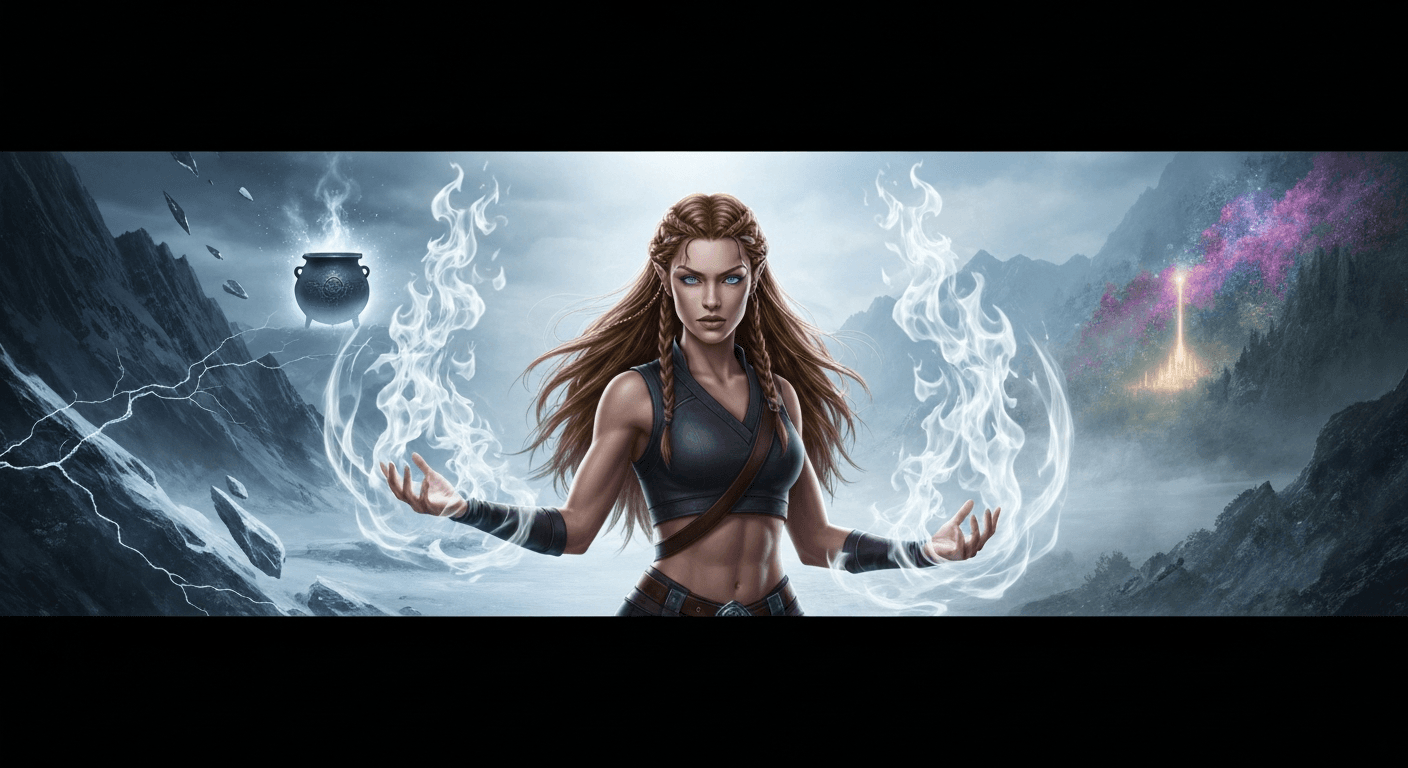
Nesta Archeron, at first glance, was just the frosty, sharp-tongued older sister. But honestly? She's become one of the most fascinating, talked-about, and totally celebrated characters in Sarah J. Maas's A Court of Thorns and Roses (ACOTAR) series. Her story, especially in A Court of Silver Flames (ACOSF), isn't just a plotline. It's a raw, sometimes brutal look at what happens when someone finally deals with deep trauma, finds incredible strength, and claws their way to redemption. For ACOTAR fans, getting Nesta isn't just about knowing what happens next. It's watching a truly broken soul rebuild herself, finding power and self-worth she never thought she had.
What's Hiding Beneath All That Ice? Nesta's Trauma
Nesta's coldness, her biting remarks — they weren't just personality quirks, were they? No way. They were deeply ingrained defenses. Armor, really, built up from immense trauma. And her experiences? They're complicated, stretching back to her human life and the terrifying events that threw her and her sisters into the world of Prythian.
Before she was Fae, Nesta lived in a kind of shabby poverty. She carried the heavy burden of keeping her family afloat, a job her father just couldn't manage, and one her younger sister, Feyre, eventually took on. That period gave her a pragmatic, often harsh, view of the world. It also gave her a fierce protective streak, especially for Elain, her more delicate middle sister. While Feyre hunted, Nesta kept up this distant, superior front. It was her way of coping, of putting some distance between herself and their grim reality. That early life, full of struggle and feeling powerless, really started to chip away at her inside.
But Nesta's deepest trauma? It really kicked off with her transformation into a High Fae. She and Elain were shoved into the Cauldron against their will. A violent metamorphosis. Unlike Feyre, who chose to enter the Fae world, Nesta's experience was an abduction, a violation. It stripped her of her human identity, forcing her into a new, terrifying existence she never wanted. The sheer horror of it, losing her humanity, having this intense, unwanted power surge through her — it all became a source of profound self-loathing and fear. She hated her new form. She saw it as something twisted and wrong, not an upgrade at all.
Then things got even worse. Her capture and forced servitude under Hybern during the war, especially her role in getting the Ouroboros from the Prison, left lasting scars. We don't get all the details of her time there, but the implied horrors and immense pressure she faced, along with the subsequent slaughter of countless innocents, definitely led to severe post-traumatic stress. She saw unspeakable things. Lost friends. Carried the crushing weight of having played a part in events that caused so much destruction. The war, the bloodshed, her own actions — they haunted her. Nightmares. Panic attacks. A constant, heavy sense of guilt. It was all there.
She also struggled with survivor's guilt. A big one. She blamed herself for others' deaths, even her own father's, convinced she could've done more, been stronger. This guilt fed her self-destructive side, pushing her further into isolation. She couldn't grieve
